Trenchless Drain Rehabilitation
Drain Lining & Sewer Pipe Relining.
Repair damaged drainage from inside the existing pipe with professional drain relining for domestic, commercial and industrial systems across Kent, London and surrounding areas.
No-Dig Repair
Reduced Excavation
Domestic & Commercial
Longer Pipe Runs
Reduced Excavation
Domestic & Commercial
Longer Pipe Runs
Request a Call Back
Could drain relining solve the problem?
Complete the form and one of our team will call to discuss the drainage fault and whether a trenchless repair may be suitable.
What Is Drain Relining?
Repair the Existing Drain From the Inside.
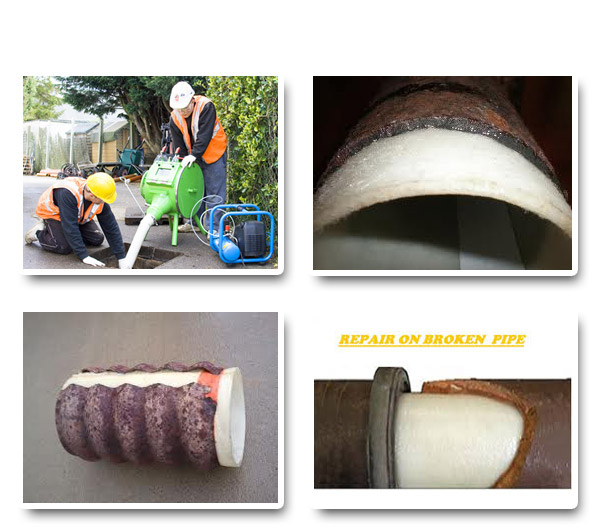
Drain relining is a trenchless repair method used to rehabilitate damaged drainage without necessarily excavating and replacing the original pipe.
A flexible liner containing resin is installed inside the existing drain and formed against the internal wall of the pipe. Once cured, it creates a smooth new pipe lining within the original structure.
This can make relining particularly useful where pipework runs beneath driveways, landscaped gardens, commercial premises or other areas where excavation would create significant disruption.
Before recommending relining, a CCTV drain survey can be used to establish the extent and location of the damage and determine whether lining is appropriate.
Why Consider Relining?
Repair without automatically digging everything up.
✓ Reduced excavation
✓ Less disruption & downtime
✓ Smooth internal pipe surface
✓ Suitable for longer pipe sections
✓ Can negotiate some bends & offsets
✓ Domestic & commercial applications
The Relining Process
How Is a Drain Relined?
1. Inspect. The pipework is assessed so the damaged section and condition of the existing drain are understood.
2. Clean. Blockages and deposits are removed so the internal pipe surface is ready for lining. Where required, high-pressure drain jetting can be used.
3. Install. A flexible resin-impregnated liner is positioned within the existing drain.
4. Form. The liner is pressed against the internal wall of the original pipe so it takes the correct shape.
5. Cure. Once the liner has cured, it leaves a new smooth internal pipe within the existing drainage structure.
Relining vs Traditional Replacement
Why Dig Up a Drain If You Don't Need To?
Where the existing pipe is suitable for rehabilitation, internal relining can avoid much of the excavation associated with traditional replacement.
01 / Groundworks
Less Excavation
Relining uses the existing pipe as the host structure, reducing the amount of ground that may need to be opened.
02 / Disruption
Less Mess & Downtime
Avoiding large excavations can be particularly useful around driveways, landscaped areas and operational commercial sites.
03 / Repair
Continuous Internal Lining
Long sections can be rehabilitated internally, producing a smooth continuous surface within the existing drainage run.
When Is Drain Relining Suitable?
Not Every Damaged Drain Needs Excavating.
Relining can be considered where the existing drain is damaged but remains suitable to act as the host pipe for an internal liner.
The current KD service information states that lining systems can be considered across a wide range of pipe materials and diameters, including applications from approximately 100mm up to 1200mm.
The suitability of any individual drain depends on its condition, shape, access and the nature of the defect, which is why inspection should come before choosing the repair method.
Where the pipe has suffered major structural collapse or another problem that prevents lining, conventional drain repair and excavation may still be required.
Potential Applications
A flexible repair option.
✓ Cracked drainage pipes
✓ Longer damaged pipe sections
✓ Difficult-to-excavate locations
✓ Domestic drainage
✓ Commercial drainage
✓ Larger sewer pipe applications
LSR vs Full Relining
Small Defect or Longer Damaged Section?
Localised Structural Repair (LSR) is designed to repair a relatively short, specific section of damaged drainage rather than lining the complete run.
KD’s existing service information notes that LSR is commonly used on pipework between approximately 100mm and 450mm diameter and for localised lengths around one metre.
Full drain relining can be considered where the affected section extends further through the drainage run or where a continuous liner is the more appropriate repair.
For smaller defects, see our dedicated Localised Structural Repair service.
Which Repair?
Let the survey determine the method.
Small local defect
LSR / drain patch repair
Longer damaged section
Drain relining
Major structural failure
Excavation and replacement may be required
Unknown condition
CCTV survey first
Commercial Drain Relining
Repair Pipework While Reducing Disruption to the Site.
Excavating drainage on an operational commercial site can create access problems, downtime and disruption far beyond the repair itself.
Where the pipework is suitable, trenchless relining can allow damaged drainage to be rehabilitated from within the existing system.
The existing KD service information also identifies lining systems for substantial pipe diameters and long continuous runs, making the technique relevant beyond smaller domestic drainage.
For broader commercial drainage programmes, relining can also be combined with CCTV inspection and planned drain maintenance.
Commercial Applications
Trenchless rehabilitation for larger drainage systems.
✓ Commercial premises
✓ Industrial sites
✓ Managed properties
✓ Larger pipe diameters
✓ Long drainage runs
✓ Sites where excavation would be disruptive
Drain Relining FAQs
Common Questions About Trenchless Drain Relining.
What is drain relining?
Drain relining is a trenchless repair method that installs a new resin-based lining inside an existing drainage pipe. Once cured, the liner creates a smooth internal pipe within the original structure.
Does drain relining require excavation?
Often it can significantly reduce or avoid excavation because the liner is installed through the existing drainage system. However, suitability depends on the condition and accessibility of the pipework.
How do you know whether a drain can be relined?
The drainage system is normally inspected first. CCTV footage can identify the type and extent of damage and help determine whether relining, patch repair or excavation is the most appropriate option.
What is the difference between drain relining and LSR?
LSR or drain patching repairs a specific localised defect, while drain relining is generally used where a longer section of the existing pipe needs internal rehabilitation.
Does the drain need cleaning before relining?
Yes, the existing drainage normally needs to be cleared and cleaned so the liner can be installed correctly against the internal surface of the pipe.
Can drain relining be used on commercial drainage?
Yes. KD Drainage provides relining for both domestic and commercial clients, and the existing service specification includes systems suitable for a range of pipe diameters and longer drainage runs.
Can every broken drain be relined?
No. Relining requires the existing drainage to be suitable as the host pipe. Major collapse or severe structural failure may instead require excavation and replacement.
Can relining help with root ingress?
Where roots have entered through defects in the existing pipe, they may first need to be removed. If the remaining drainage is suitable, relining can then rehabilitate the damaged section and seal the internal pipe surface.
Customer Feedback
Trusted for Specialist Drainage Repairs.
Feedback from customers who have relied on KD Drainage for investigation, repair and specialist drainage work.


Drain Relining
Could Your Damaged Drain Be Repaired Without Excavation?
The first step is establishing the condition of the existing pipework and determining whether it is suitable for relining.
KD Drainage can inspect the drain, prepare the pipework and recommend relining, localised repair or conventional excavation depending on what the survey finds.
Speak to our team to discuss a domestic, commercial or larger sewer relining project.
Talk to KD Drainage
Discuss your relining project.
Call 01622 919012 or use the callback form at the top of this page.




Accredited & Trusted
Professional Standards You Can Rely On.
KD Drainage is committed to maintaining high standards of safety, quality and professionalism across every project. Our industry accreditations provide customers with additional reassurance that our work, processes and engineers meet recognised professional standards.
Trusted drainage specialists for domestic, commercial and industrial customers.
Built on Experience
20+ Years of Drainage Expertise.
From emergency domestic callouts to complex commercial drainage projects, KD Drainage combines experienced engineers, specialist equipment and professional working practices.
24/7 Response
Support when drainage problems cannot wait.
Domestic & Commercial
Practical drainage solutions for homes, businesses and sites.
Nationwide Capability
Specialist drainage support across Kent and throughout the UK.

Kent Offices
Gillingham Office
Godden Way
Gillingham
Kent
ME8 6AD
Maidstone Office
Kestrel House
Knightrider St
Maidstone, Kent
ME15 6LU
T: 01622 919012
T: 0207 118 0618
E: info@kddaa.co.uk
Regional Offices
Derby Office
Marble Hall
80 Nightingale Road
Derby
DE24 8BF
Cumbria Office
Unit 10
Derwent Road
Kerry Park Trading Estate
CA14 3TX
Services & Repairs
- Blocked Drains
- CCTV Drain Surveys
- Home Buyers Drainage Surveys
- Moving Drains
- Drain Maintenance
- Drain Root Removal
- Gully Cleaning
- Pump Servicing
- Combination Tankers
- Drain Repairs
- Soakaway Installation
- Drain Relining
- Pipework Replacement
- Water Main Repairs
- Localised Structure Repair
- Acoustic Leak Detection
Commercial & Water Treatment
- Agricultural Drainage
- Hotel Drainage
- Housing Associations & Letting Agencies
- Residential Care Home Drainage
- Restaurants, Café & Bars
- Schools, Colleges & Universities
- Retail Sector Drainage
- Septic Tank Emptying
- Septic Tank Installation
- Cesspit Emptying
- Cesspit Installation
- Sewage Treatment Plants
- Sewage Pump Stations
- Combination Tankers
- Vacuum Tankers
- Insurance Claims
© KD Drainage. All rights reserved.
Website by Alban Creative